
Berks City Directory Holdings
Berks County has no verified, single online list of every directory title and year. The local record trail is spread across three complementary repositories. The Henry Janssen Library at Berks History Center holds printed directory volumes and archival materials. Reading Public Library's Pennsylvania Room preserves City of Reading telephone directories, telephone books, and Berks County Suburban directories. Berks County Genealogical Society adds census and newspaper microfilm that can test a name or address found in a directory.
| Collection | Years | Where Held | Access |
|---|---|---|---|
| Printed directory volumes | Exact titles and years require catalogue inspection | Henry Janssen Library, Berks History Center | Searchable catalogue and appointment visit |
| Reading and suburban telephone directories | Individual years are not listed online | Reading Public Library Pennsylvania Room | Noncirculating, on-site reference help |
| Reading Eagle | 1868-1972 on microfilm; digital access from October 1989 | BCGS and Reading Public Library | Microfilm or library digital access |
| Federal census for Berks | 1790-1930 | Berks County Genealogical Society | On-site microfilm and library computers |
That division matters. A printed city volume is the best place to seek a name-and-address listing, while a telephone book, census, newspaper notice, or map can supply context that a directory never printed. The local holdings pages confirm the collections, but not a publisher-by-publisher run. Treat an exact title page as the authority for its own edition.
Berks City Directory Title Checks
The Henry Janssen Library is the right first call for an exact directory year or publisher. Its holdings include printed directories, local newspapers, maps, church records, baptismal certificates known as Taufscheine, and more than 200 manuscript collections. The public holdings page does not publish a shelf-by-shelf inventory. Search the catalogue, then ask for the volume's title page and abbreviation key before recording a publisher, date, or claimed coverage span.
Visits are by appointment Wednesday through Saturday from 9 a.m. to 3 p.m., and nonmember admission is $7. Focused staff research requests are handled first come, first served and can average four to six weeks in busy periods. The stated retrieval fees are $8 for church, cemetery, or Historical Review lookups; other inventoried files cost $8 for up to ten pages plus 50 cents for each additional page. Noninventoried files start at $15 plus 50 cents per additional page.
A catalogue and a focused appointment avoid guessing about a directory's title, year, or contents before travel or a paid research request.
Reading's Berks Directory Reference Room
The Pennsylvania Room at Reading Public Library, 100 S. Fifth St. in Reading, is a noncirculating special collection with staff help on site. It is especially useful when the question is about a Reading or suburban telephone listing, a map, a yearbook, or a supporting church, cemetery, or census source. Its Reading Eagle holdings include microfilm and digital access from October 1989 onward. The listed hours are Friday 12 to 4:30 and Saturday 9:30 to 4, so confirm them before a visit.
Unlike a general lending shelf, this reference collection keeps the materials in the room. Most items can be photocopied for a nominal fee, but a listing remains only a listing. It may identify a telephone subscriber or a historical address without documenting every person in a household.
The Pennsylvania Room source documents the local-reference setting for historical Berks research.
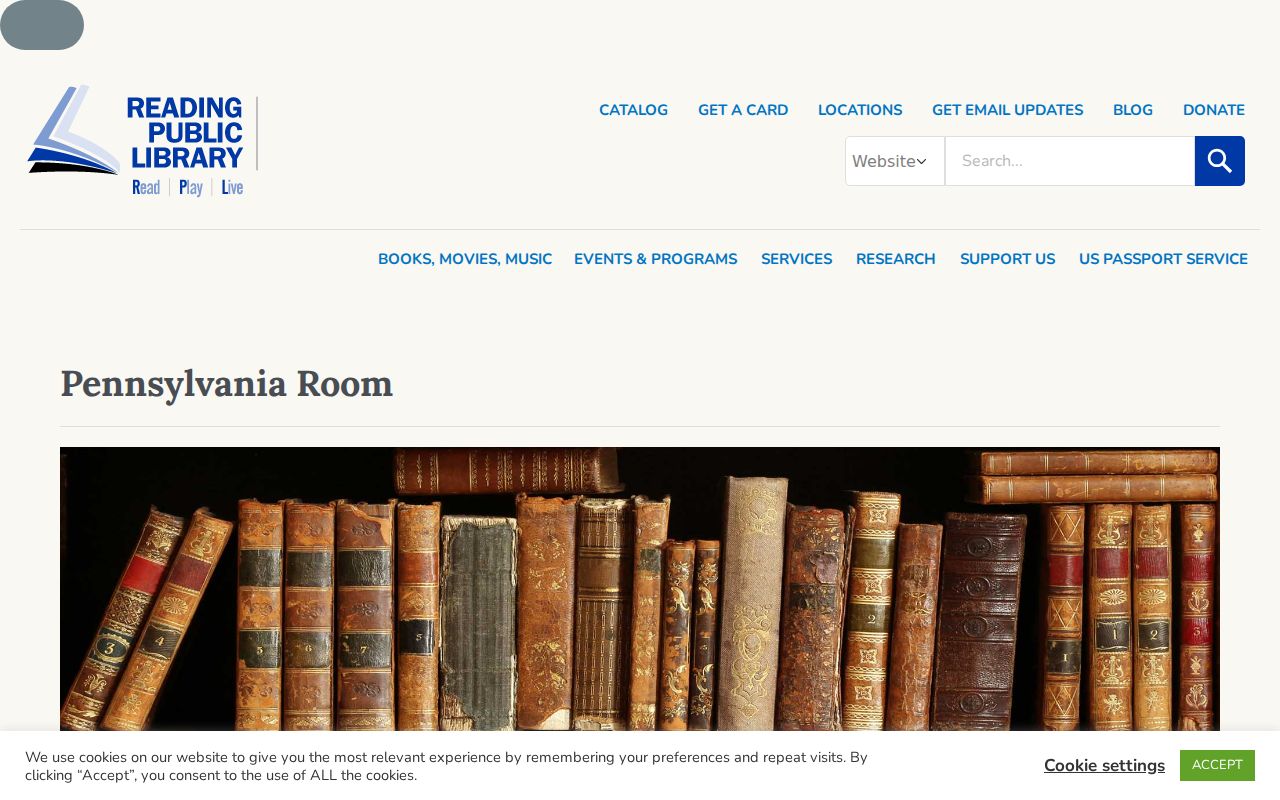
Use the room's telephone books alongside its maps and yearbooks when a surname needs more local context.
Berks Directory Microfilm Boundaries
Berks County Genealogical Society, at 201 Washington St., Room 413 in Reading, offers a useful check on a directory trail. Its library has Berks federal census microfilm from 1790 through 1930, Reading Eagle microfilm from 1868 through 1972, and Ancestry Library Edition on its computers. Nonmembers pay $5 per day, copies cost 25 cents, and the stated hours are noon to 4 daily except major holidays.
The newspaper and census dates create an important research boundary. BCGS covers Eagle microfilm through 1972, while the Pennsylvania Room's digital Eagle access begins in October 1989. Do not fill that format gap with assumptions. Search the relevant library catalogues, BHC materials, and the appropriate county record instead.
The BCGS library source identifies the microfilm and computer resources that can test a Berks historical listing.
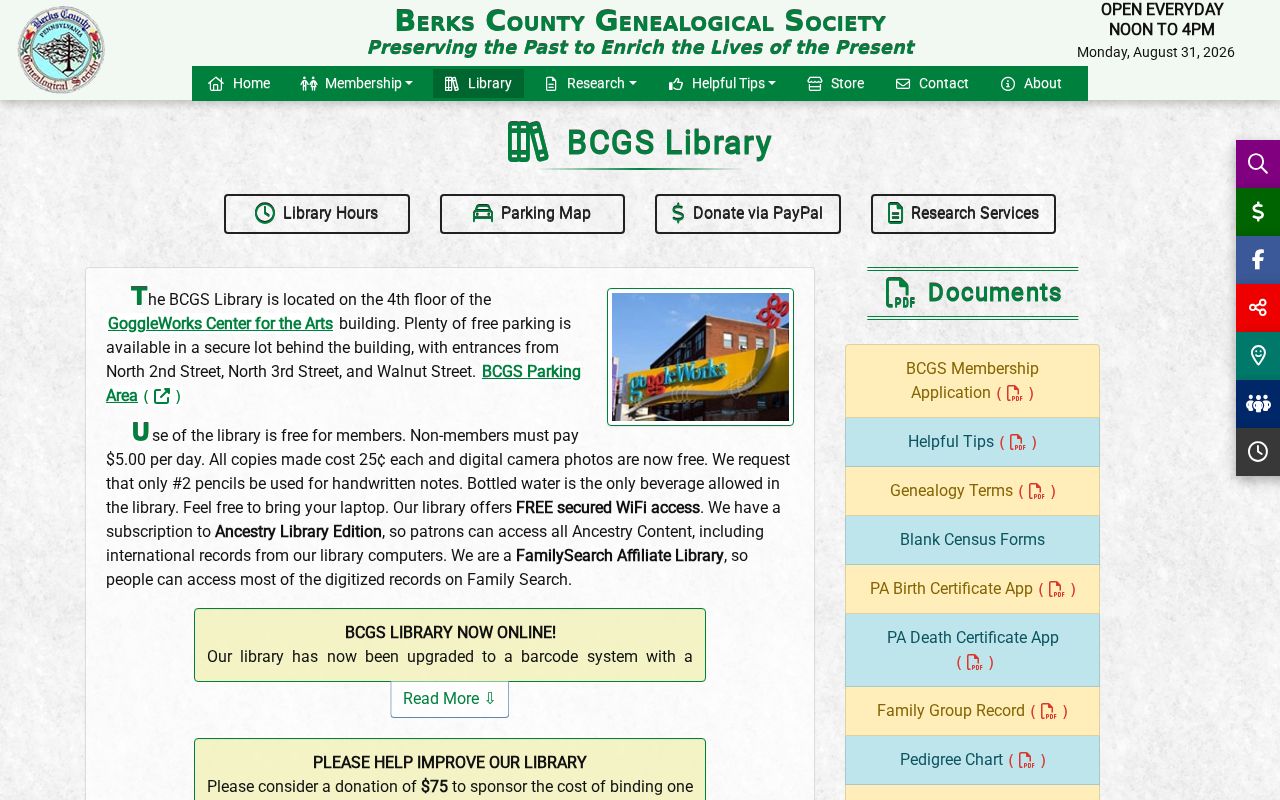
Its census and Eagle reels are companions to a directory listing, not evidence that the society holds every local edition.
Use census entries for household composition, age, birthplace, occupation, and address-area context, then return to the nearest printed listing for annual changes. Later federal census releases follow the federal 72-year rule. The mismatch in source dates is useful because it prevents a researcher from treating one annual listing as a complete household record.
Decode a Berks Directory Listing
Inspect the actual volume before treating any mark as standard. The local online sources did not expose a safe sample page for a Berks directory, and they do not confirm a reverse or criss-cross run. A printed entry may include a surname and given name, an address, an occupation or employer, a spouse in parentheses, a widow notation, or an owner or renter mark. Those are possibilities to read from the edition's own key, not promises about every local volume.
| Name | Copy the spelling, initials, and any parenthetical relationship exactly as printed. |
|---|---|
| Address | Record the house number, street spelling, and edition year before comparing another issue. |
| Occupation | Use an occupation or employer only when the entry actually prints one. |
| Marks and abbreviations | Photograph or transcribe the key from that same volume before interpreting it. |
- Criss-cross directory
- A directory arranged by street or address rather than by surname. Its existence and date must be confirmed from a Berks holding.
- Householder index
- An index that points to the named person responsible for a household listing, when the publisher supplied one.
- Abbreviation key
- The publisher's explanation of initials and marks, usually found near the front of a volume.
Trace Berks City Directory Households
A careful household trail begins with the address and edition date, not a broad surname search. Record each variation as you go. A person can be unlisted, spelled differently, or recorded at a work or boarding address. The nearest released census can help test whether a directory listing belongs to the same household, while newspapers, estate files, and local vital material can help explain a move or death.
- Start with an address from a deed or assessment record, then locate the closest available telephone or printed issue.
- Write down the name spelling, address, occupation, spouse or widow clue, and the title-page date.
- Check surrounding issues for a move, changed spelling, or a new listing at the same address.
- Pair the run with the nearest released census at BCGS, rather than assuming a directory names every household member.
- Use an obituary, estate file, church record, or cemetery source to test an apparent disappearance from print.
Absence does not prove that a person moved or died. Telephone listings omit unlisted subscribers, directories can contain stale information, and coverage can change from one edition to another. For a present-day address chain, use the county's modern records rather than a historical volume. Berks County resident lookup records are better for checking a current official trail.
Berks City Directory Database Access
The Berks County Public Libraries database page routes cardholders to POWER Library and other research databases. Access can depend on a library card or being in a library, so do not assume a database is available from home. The database page is a useful starting point for newspaper, history, and reference research after a specific edition year has been identified.
This route supplements the physical collections. It does not replace the title-page check needed to establish exactly which local directory edition a library holds.
The Berks libraries database source shows the research-database access point associated with local Berks directory work.
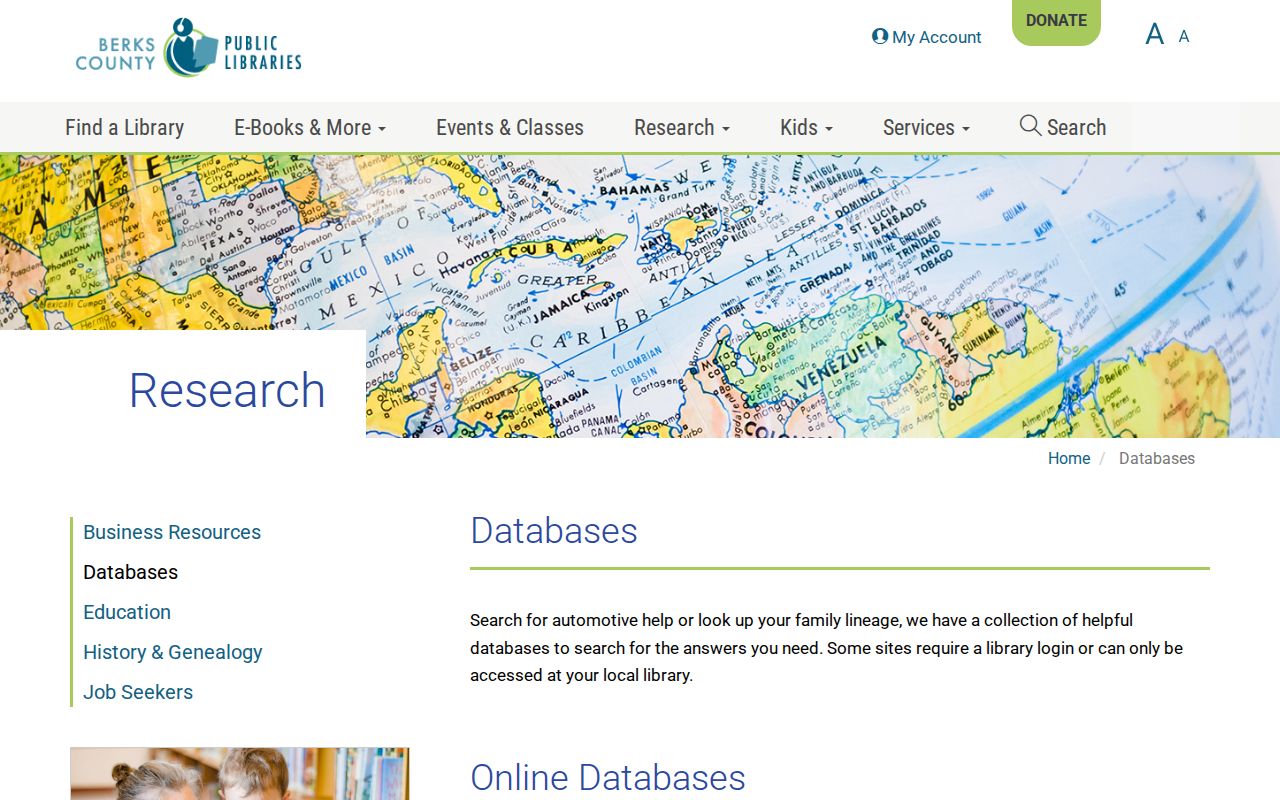
Check the access conditions before relying on a database for a newspaper or local-history search.
Berks Directory Context and Record Formats
Berks County's historical trail is stronger when printed directories are paired with preserved public records. The Recorder says its computerized image and index system reaches to the county's 1752 creation, with original handwritten or typed books retained for 1752 through 1953, microfilm for 1953 through 2004, and digital retention from 2004 forward. That sequence does not make every old image equally easy to read, but it gives a way to test an address or family event across formats.
For genealogy, the Register of Wills adds local historic births, deaths, marriages, estates, and Orphans' Court material. The library shelves then help place those official events inside a neighborhood and household timeline. This is the useful preservation story: Berks research changes format over time, rather than ending when a web search does.
Note: A directory listing, a newspaper item, and a recorded document each answer different questions and should be compared before drawing a family conclusion.
When a Berks City Directory Is Silent
When a name or address does not appear, first confirm the municipality, spelling, and year. Berks County has 72 municipalities, so Reading materials cannot be treated as a countywide household list. Ask BHC and the Pennsylvania Room catalogues for terms such as reverse, criss-cross, street directory, Polk, Cole, and telephone directory, then inspect the result rather than assuming a title exists.
Maps, church records, Taufscheine, cemetery sources, yearbooks, the Reading Eagle, and census microfilm offer practical alternatives. Their different coverage prevents a false all-in-one directory claim. A careful search names the repository, edition, access method, and limits of the record actually found.
For a BHC research request, provide one surname with known dates, spouses, children, or a municipality. The library asks patrons to focus an inquiry instead of requesting everything about a person. That restraint improves a match and gives staff a usable way to choose among local manuscript, church, newspaper, map, and directory materials.